Blog

  • How to bake a cake : 9 Best way How to Bake a cake.

    How to Bake a cake : A Complete Step-by-Step Guide for Beginners

    How to bake a cake

    Baking a cake at home can be a fun and rewarding experience. Whether you are preparing a cake for a birthday, anniversary, special celebration, or simply want to enjoy a delicious homemade dessert, learning the basics can help you create a soft and tasty cake.Many beginners think that baking a cake is difficult. However, once you understand the ingredients, measurements, and baking process, it becomes much easier. In this guide, you will learn everything you need to know about baking a simple cake at home. here we start how to bake a cake in 1 way.

    Ingredients Required to Bake a Cake

    Before starting, make sure you have all the necessary ingredients ready. Preparing the ingredients in advance makes the baking process smoother.

    Here are the basic ingredients you will need:

    • 2 cups all-purpose flour
    • 1 cup sugar
    • 1 cup milk
    • ½ cup butter or cooking oil
    • 2 eggs
    • 1 teaspoon baking powder
    • ½ teaspoon baking soda
    • 1 teaspoon vanilla essence
    • A pinch of salt

    You can also add chocolate powder, fruits, nuts, or other ingredients depending on the type of cake you want to prepare.

    Equipment You Will Need

    Apart from ingredients, you will need some basic kitchen equipment. You do not need expensive tools to bake a simple cake.

    The following items are useful:

    • A large mixing bowl
    • Measuring cups and spoons
    • A whisk or electric mixer
    • A cake tin
    • A spatula
    • An oven
    • Baking paper or butter for greasing the cake tin

    Make sure that all the equipment is clean and dry before you begin.

    Step 1: Prepare the Oven and Cake Tin

    Prepare the Oven and Cake Tin

    The first step is to prepare your oven. Preheat the oven before placing the cake inside. Preheating helps maintain the right temperature and allows the cake to bake evenly.

    Set your oven to approximately 180°C.

    Next, prepare your cake tin. Apply butter or oil to the inside of the tin. You can also place baking paper at the bottom. This helps prevent the cake from sticking to the container.

    Preparing the oven and cake tin before making the batter will save time later.

    Step 2: Mix the Dry Ingredients

    Take a large mixing bowl and add the flour, baking powder, baking soda, and a small amount of salt.

    It is a good idea to sift the flour before mixing. Sifting helps remove lumps and allows air to enter the flour. This can help make the final cake lighter and softer.

    Mix all the dry ingredients properly.

    If you are making a chocolate cake, you can also add cocoa powder at this stage.

    Keep the bowl aside while you prepare the wet ingredients.

    Step 3: Mix the Butter and Sugar

    In another bowl, add butter and sugar.

    Mix them together using a whisk or an electric mixer. Continue mixing until the mixture becomes smooth and creamy.

    This process is important because properly mixed butter and sugar can help create a soft texture in the cake.

    If you are using oil instead of butter, mix the oil and sugar until they are combined properly.

    Take your time during this step and make sure there are no large lumps of sugar remaining in the mixture.

    Step 4: Add the Eggs

    Now add the eggs to the butter and sugar mixture.

    Add them one at a time and mix well after adding each egg. This helps the ingredients combine evenly.

    After mixing the eggs, add vanilla essence. Vanilla essence gives the cake a pleasant flavour and aroma.

    If you prefer an eggless cake, you can use alternatives such as yoghurt, condensed milk, or other suitable ingredients.

    Step 5: Combine the Wet and Dry Ingredients

    Now it is time to combine the two mixtures.

    Slowly add the dry ingredients to the wet ingredients. Add a small amount at a time instead of adding everything at once.

    Pour in some milk and gently mix the ingredients.

    Continue adding the flour mixture and milk until you get a smooth cake batter.

    Do not overmix the batter. Overmixing can affect the texture of the cake and may make it dense instead of soft.

    The final batter should be smooth and have a consistent texture.

    Step 6: Pour the Batter into the Cake Tin

    Once your cake batter is ready, pour it into the prepared cake tin.

    Use a spatula to spread the batter evenly.

    Gently tap the cake tin on the kitchen counter a few times. This can help remove large air bubbles from the batter.

    Make sure you do not fill the cake tin completely because the cake will rise during baking.

    Leave some space at the top of the tin.

    Step 7: Bake the Cake

    Place the cake tin carefully inside the preheated oven.

    Bake the cake at approximately 180°C for around 30 to 40 minutes.

    The exact baking time may vary depending on your oven, the size of the cake, and the type of ingredients you use.

    Avoid opening the oven door repeatedly during the first part of the baking process. Opening the oven too early can cause the cake to sink.

    After about 30 minutes, you can check whether the cake is ready.

    How to Check if the Cake Is Ready

    One of the easiest ways to check a cake is by using a toothpick or a knife.

    Insert a toothpick into the centre of the cake.

    If the toothpick comes out clean, the cake is ready.

    If wet batter sticks to the toothpick, the cake needs more time to bake.

    You can also gently press the top of the cake. A properly baked cake usually springs back slightly when touched.

    Be careful while checking the cake because the oven and cake tin will be very hot.

    Step 8: Allow the Cake to Cool

    Once the cake is baked, remove it carefully from the oven.

    Do not immediately remove the cake from the tin. Allow it to cool for around 10 to 15 minutes.

    After that, carefully remove the cake from the tin and place it on a cooling rack or plate.

    Allow the cake to cool completely before adding frosting or decoration.

    If you apply cream to a warm cake, the frosting may melt.

    Decorating Your Homemade Cake

    Once the cake has cooled, you can decorate it according to your preference.

    Some popular cake decoration ideas include:

    • Chocolate frosting
    • Whipped cream
    • Fresh fruits
    • Chocolate chips
    • Sprinkles
    • Nuts
    • Caramel sauce

    You can keep the decoration simple or create a more detailed design for special occasions.

    For beginners, a simple layer of chocolate or vanilla frosting is a good place to start.

    Common Mistakes to Avoid While Baking a Cake

    Beginners often make small mistakes while baking. Here are a few things to avoid:

    Using incorrect measurements: Baking requires proper measurements. Too much or too little of an ingredient can affect the result.

    Not preheating the oven: A cold oven can affect the baking process.

    Overmixing the batter: Mixing too much can make the cake dense.

    Opening the oven too early: This may cause the cake to sink.

    Removing the cake from the tin immediately: Allow the cake to cool slightly before removing it.

    By avoiding these common mistakes, you can improve your baking results.

    Conclusion

    Learning about How to bake a cake and how to bake a cake is not as difficult as it may seem. With the right ingredients, proper measurements, and a little patience, anyone can prepare a delicious homemade cake.

    The most important part of baking is following each step carefully. From preparing the ingredients to mixing the batter and baking at the correct temperature, every step plays an important role in the final result.

    As you gain more experience, you can experiment with different flavours such as chocolate, vanilla, strawberry, coffee, or fruit cake. You can also try different frostings and decorations.

    So, gather your ingredients, prepare your kitchen, and start baking. With practice, you will become more confident and may soon be able to create beautiful and delicious cakes for your family and friends.

    Frequently Asked Questions (FAQs)

    1. What temperature should I use to bake a cake?
    For a simple homemade cake, preheat your oven to around 180°C before baking.

    2. How long does it take to bake a cake?
    A basic cake usually takes around 30–40 minutes to bake, depending on the oven and cake size.

    3. How can I check if my cake is fully baked?
    Insert a toothpick into the centre of the cake. If it comes out clean, the cake is ready.

    4. Why is preheating the oven important for baking a cake?
    Preheating helps the cake bake evenly and ensures it starts baking at the correct temperature.

    5. Why does my homemade cake become dense?
    A cake can become dense because of overmixing the batter, incorrect measurements, or improper baking.

    6. Can I make a cake without eggs?
    Yes. You can make an eggless cake using alternatives such as yoghurt or condensed milk, depending on the recipe.

    7. How do I prevent my cake from sticking to the cake tin?
    Grease the cake tin with butter or oil and use baking paper on the bottom to help prevent sticking.

    8. When should I remove the cake from the cake tin?
    Allow the cake to cool for about 10–15 minutes before carefully removing it from the tin.

    9. Can I decorate the cake immediately after baking?
    No. Let the cake cool completely before adding frosting or cream. Decorating a warm cake can cause the frosting to melt.

    10. What can I use to decorate a homemade cake?
    You can use chocolate frosting, whipped cream, fresh fruits, chocolate chips, sprinkles, nuts, or caramel sauce to decorate your cake.


  • 10 Best Places to Visit in Udaipur

    10 Best Places to Visit in Udaipur. Udaipur is one of the most beautiful cities in Rajasthan. Known for its magnificent palaces, peaceful lakes, historic temples and colourful culture, the city attracts travellers from India and around the world.
    Often called the City of Lakes, Udaipur offers a unique combination of history, architecture, nature and royal heritage. Whether you are planning a family vacation, a romantic trip or a short weekend getaway, there are plenty of amazing attractions to explore.
    From grand palaces overlooking beautiful lakes to peaceful gardens and historical buildings, every corner of the city has something special to offer.


    In this travel guide, we explore 10 Best Places to Visit in Udaipur & popular attractions that you should include in your Udaipur travel itinerary.


    1. City Palace

    City palace jaipur

    City Palace is one of the most famous landmarks in Udaipur. Located near Lake Pichola, this magnificent palace complex represents the rich history and heritage of the Mewar region.
    The palace features beautiful courtyards, balconies, rooms, corridors and traditional architecture. Visitors can explore different sections of the palace and enjoy beautiful views of the lake and surrounding areas.
    City Palace is an excellent destination for people who enjoy history, architecture and photography.
    Why Visit City Palace?
    ● Beautiful royal architecture
    ● Historical importance
    ● Amazing views of Lake Pichola
    ● Great location for photography

    2. Lake Pichola

    Lake Pichola


    Lake Pichola is one of the most beautiful attractions in the city. Surrounded by hills, palaces and historical buildings, the lake creates a peaceful and memorable experience for visitors.
    A boat ride on Lake Pichola is one of the most popular activities for tourists. During the ride, visitors can enjoy views of the City Palace, Jag Mandir and other beautiful locations around the lake.

    The sunset view from the lake is especially popular among travellers and photographers.
    Things to Do at Lake Pichola
    ● Enjoy a boat ride
    ● Watch the sunset
    ● Take photographs
    ● Explore nearby attractions
    ● Enjoy the view of the surrounding palaces


    3. Jag Mandir

    Jag Mandir

    Jag Mandir is a beautiful palace located on an island in Lake Pichola. The palace is known for its impressive architecture and peaceful surroundings.
    Visitors usually reach Jag Mandir by boat. The journey across the lake itself provides a beautiful experience and offers excellent views of Udaipur.
    The location is popular among tourists who want to experience the royal beauty of the city while enjoying the peaceful environment of the lake.

     

    4. Jagdish Temple

    Jagdish Temple

    Jagdish Temple is one of the most important religious attractions in Udaipur. The temple is known for its beautiful carvings and traditional architecture.
    Located close to the City Palace, the temple is convenient to include in a sightseeing plan.
    Visitors can admire the detailed architecture and experience the spiritual atmosphere of the temple.
    Highlights of Jagdish Temple
    ● Historical significance
    ● Beautiful carvings
    ● Traditional architecture
    ● Central location


    5. Fateh Sagar Lake

    Fateh sagar lake

    Fateh Sagar Lake is another beautiful lake surrounded by hills and natural scenery. It is a popular destination for people looking for a relaxing experience.
    Visitors can enjoy boating, spend time near the lake or simply enjoy the peaceful surroundings.
    The area around Fateh Sagar Lake is particularly popular during the evening when many people visit to relax and enjoy the view.


    6. Saheliyon Ki Bari

    Saheliyon Ki Bari

    Saheliyon Ki Bari is a beautiful garden known for its fountains, marble structures and green surroundings.
    The garden provides a peaceful environment and is a great place for visitors who want to take a break from busy sightseeing locations.
    It is an excellent attraction for families, couples and photography enthusiasts.
    Things You Can See Here
    ● Beautiful fountains
    ● Marble structures
    ● Green gardens
    ● Lotus pools
    ● Historical architecture


    7. Bagore Ki Haveli

    Bagore Ki Haveli

    Bagore Ki Haveli is a historical building located near Lake Pichola. The haveli offers visitors an opportunity to learn more about the history and culture of the region.
    The building contains several rooms and displays related to the royal lifestyle and traditional culture.
    One of the major attractions is the cultural programme that takes place in the evening. Visitors can enjoy traditional dance and cultural performances.
    Why Should You Visit Bagore Ki Haveli?
    Bagore Ki Haveli is a great destination for people who are interested in:
    ● History
    ● Traditional culture
    ● Folk dance
    ● Photography
    ● Architecture

    8. Sajjangarh Palace

    Sajjangarh Palace

    Sajjangarh Palace, also known as the Monsoon Palace, is located on a hilltop outside the main city area.
    The palace offers beautiful panoramic views of Udaipur, the lakes and the surrounding hills.
    It is a popular destination for people who enjoy scenic views and photography. The journey to the palace also provides visitors with beautiful views of the natural surroundings.
    Sunset is one of the most popular times to visit this location.

    9. Shilpgram

    Shilpgram

    Shilpgram is a cultural village where visitors can experience traditional arts, crafts and culture.
    It provides an opportunity to learn more about the traditional lifestyle of Rajasthan and nearby regions.
    Visitors can explore handicrafts, cultural displays and traditional art forms.
    Shilpgram is a great place for travellers who are interested in art, culture and local traditions.
    What Makes Shilpgram Special?
    ● Traditional handicrafts
    ● Cultural experiences
    ● Local art
    ● Traditional architecture
    ● Shopping opportunities

    10. Vintage and Classic Car Museum

    Vintage and Classic Car Museum

    The Vintage and Classic Car Museum is an interesting destination for automobile lovers.
    The museum displays a collection of classic vehicles that represent the history of automobiles and royal transportation.
    Visitors can explore different types of vintage cars and learn more about their design and history.
    This attraction can be a good addition to your travel itinerary, especially if you are interested in automobiles.
    Best Time to Visit Udaipur.The experience of visiting Udaipur can vary depending on the season. Many travellers prefer the cooler months because sightseeing becomes more comfortable.
    The city can be explored throughout the year, but visitors should plan their activities according to the weather conditions.
    Before travelling, it is a good idea to check the latest weather forecast and local travel information.
    How Many Days Are Enough to Explore Udaipur?
    A two to three-day trip can allow visitors to explore many of the major attractions.
    For a short trip, you can focus on the main palaces, lakes and temples. If you have more time, you can explore cultural attractions, gardens, museums and nearby destinations.
    A simple travel plan can help you save time and make the most of your visit.
    Travel Tips for Udaipur
    Here are some useful tips for planning your trip:
    Plan Your Itinerary
    Create a list of attractions before starting your journey. Group nearby locations together to save travel time.
    Carry Comfortable Footwear
    Many tourist attractions require walking, so comfortable shoes can make your sightseeing experience easier.
    Keep Your Camera Ready
    Udaipur offers many beautiful locations for photography, especially around lakes and historical buildings.
    Check Timings Before Visiting
    Tourist attraction timings can change, so check the latest information before planning your visit.
    Respect Local Culture
    When visiting temples and cultural locations, follow local rules and respect the traditions of the place.
    Frequently Asked Questions
    What are the best attractions to explore in Udaipur?
    Some popular attractions include City Palace, Lake Pichola, Jag Mandir, Fateh Sagar Lake, Saheliyon Ki Bari and Bagore Ki Haveli.
    How many days are required for a Udaipur trip?
    A two to three-day trip is generally enough to explore many of the major attractions in the city.
    What is Udaipur famous for?
    Udaipur is famous for its lakes, royal palaces, traditional architecture, historical sites and rich cultural heritage.
    Is Udaipur good for a family trip?
    Yes, Udaipur offers a variety of attractions suitable for families, including lakes, gardens, museums and historical locations.
    Can I explore Udaipur in two days?
    Yes, with proper planning, you can explore several major attractions during a two-day trip.
    Final Thoughts
    Udaipur is a destination that offers something for every type of traveller. From beautiful lakes and royal palaces to peaceful gardens and cultural attractions, the city provides a memorable travel experience.
    Whether you are interested in history, photography, architecture or simply want to enjoy a relaxing holiday, Udaipur has many amazing experiences waiting for you.
    Plan your itinerary carefully, explore the major attractions and take time to enjoy the beautiful views that make this city one of Rajasthan’s most popular travel destinations.

  • What Is SIP ? 5 best and easy way

    Investing may seem difficult for beginners, but a Systematic Investment Plan, commonly known as SIP, makes it easier to start investing with a small amount. Through SIP, you can invest a fixed amount in a mutual fund at regular intervals, such as weekly, monthly, or quarterly.

    This guide explains how to start SIP, how it works, and what factors you should consider before investing.

    What Is SIP ?
    What Is SIP ?


    What Is SIP?

    SIP stands for Systematic Investment Plan. It is a method of investing a fixed amount regularly in a mutual fund scheme.

    For example, you may choose to invest ₹1,000 every month in a mutual fund. The amount is automatically deducted from your bank account and invested in the selected fund.

    SIP is not a separate investment product. It is simply a method of investing in mutual funds.

     How Does SIP Work. What Is SIP ?

    When you invest through SIP, you purchase units of a mutual fund based on the fund’s Net Asset Value, or NAV, on the investment date.

    When the NAV is lower, you receive more units. When the NAV is higher, you receive fewer units. This approach is commonly known as rupee-cost averaging.

    Over time, regular investing may help you build a disciplined investment habit and reduce the pressure of deciding the perfect time to enter the market.

    How to Start SIP Step by Step


    How to start SIP ?

    1. Define Your Financial Goal

    Before starting a SIP, decide why you want to invest.

    • Building an emergency fund
    • Planning for higher education
    • Buying a house
    • Creating a retirement fund
    • Saving for a wedding
    • Building long-term wealth

    A clear goal can help you select an appropriate investment amount and time period.

    1. Decide the SIP Amount

    Choose an amount that you can invest comfortably every month without affecting your essential expenses.

    Many mutual fund schemes allow investors to start with a relatively small monthly amount. However, the minimum amount may vary depending on the fund. You can increase your SIP amount gradually as your income grows.

    1. Understand Your Risk Profile

    Different mutual funds carry different levels of risk.

    • Your age
    • Monthly income
    • Financial responsibilities
    • Investment period
    • Ability to tolerate market fluctuations

    Equity mutual funds generally involve higher market risk and may be suitable for long-term goals. Debt funds may have comparatively lower volatility but also carry risks such as interest-rate and credit risk.

    1. Complete Your KYC

    KYC stands for Know Your Customer. It is generally required before investing in mutual funds.

    • PAN card
    • Aadhaar card or another valid identity document
    • Address proof
    • Bank account details
    • Photograph
    • Mobile number and email address

    KYC can usually be completed online through an authorised investment platform or mutual fund service provider.

    1. Select a Mutual Fund

    Research different mutual fund schemes before investing.

    • Investment objective
    • Risk level
    • Expense ratio
    • Fund category
    • Portfolio allocation
    • Fund manager’s experience
    • Long-term consistency
    • Exit load
    • Tax implications

    Avoid selecting a fund only because it delivered high returns in the recent past. Past performance does not guarantee future returns.

    1. Choose Between Direct and Regular Plans

    Mutual funds generally offer direct and regular plans.

    A direct plan is purchased directly from the mutual fund company or an eligible investment platform without distributor commission. A regular plan is purchased through an intermediary or distributor and may include distribution-related expenses. Both plans may invest in the same portfolio, but their expense ratios and returns can differ.

    1. Select the SIP Date

    Choose a monthly SIP date based on your cash flow.

    For example, if your salary is credited during the first week of every month, you may schedule your SIP shortly after the salary date. Make sure that your bank account has sufficient balance before the auto-debit date.

    1. Register the Bank Mandate

    A bank mandate allows the SIP amount to be automatically deducted from your bank account.

    After the mandate is approved, the selected amount will usually be invested automatically on the scheduled date.

    1. Review and Confirm the SIP

    Before confirming your SIP, check the following details:

    • Mutual fund scheme name
    • Plan type
    • Growth or income distribution option
    • Monthly investment amount
    • SIP date
    • Bank details
    • Investment duration

    Once confirmed, you should receive a transaction confirmation from the investment platform or mutual fund company.

    Benefits of Starting a SIP

    Investment Discipline

    SIP encourages you to invest regularly instead of waiting for the perfect market condition.

    Small Starting Amount

    You can begin investing without arranging a large lump-sum amount.

    Rupee-Cost Averaging

    Regular investments purchase different numbers of units at different market levels, which can reduce the impact of short-term market timing.

    Potential Power of Compounding

    When returns remain invested, they may generate additional returns over time. A longer investment period can increase the potential effect of compounding.

    Convenience

    Once the auto-debit instruction is active, the investment process becomes largely automatic.

    Common Mistakes to Avoid While Starting SIP

    Investing Without a Goal

    A SIP should ideally be connected to a specific financial objective.

    Choosing Funds Based Only on Recent Returns

    Recent performance alone is not enough to evaluate a mutual fund.

    Stopping SIP During Market Declines

    Market fluctuations are normal. Stopping an SIP only because the market has fallen may affect your long-term investment strategy.

    Ignoring Risk

    Mutual funds are market-linked investments. Returns are not guaranteed.

    Not Reviewing the Portfolio

    Review your investments periodically to check whether they still match your goals, risk profile, and investment horizon.

    How Much Should You Invest in SIP?

    The appropriate SIP amount depends on your income, expenses, financial goals, and investment timeline.

    1. The total amount required for your goal
    2. The number of years available
    3. Your existing savings
    4. A reasonable expected return assumption
    5. The level of risk you can accept

    Do not invest money required for rent, household expenses, loan payments, medical needs, or other essential commitments.

    Is SIP Safe?

    SIP itself does not determine the safety of your investment. The risk depends on the mutual fund scheme you select.

    Equity funds can experience significant fluctuations. Debt funds can also carry credit, liquidity, and interest-rate risks.

    Read the scheme-related documents carefully and consider consulting a qualified financial adviser before making investment decisions.

    Frequently Asked Questions

    Can I start SIP with ₹500?

    Some mutual fund schemes may allow SIP investments starting from ₹500 or another small amount. The minimum investment requirement varies by scheme.

    Can I stop my SIP anytime?

    In many cases, an SIP can be paused or cancelled. However, the process and timeline may depend on the mutual fund company and investment platform.

    Can I increase my SIP amount later?

    Yes, you may start another SIP or use a step-up SIP facility where available.

    Is SIP better than a lump-sum investment?

    Neither option is automatically better for every investor. SIP may be suitable for regular earners, while lump-sum investing may be considered when a person has a larger amount available. The decision depends on market risk, goals, and financial circumstances.

    What happens if I miss an SIP payment?


    A missed payment generally means that the investment will not be made for that particular instalment. Repeated failures may lead to cancellation of the SIP mandate, depending on applicable terms.

    Conclusion

    Starting an SIP can be a simple way to develop a regular investment habit. Begin by defining your financial goal, evaluating your risk profile, completing KYC, selecting an appropriate mutual fund, and setting up an automatic bank mandate.

    Always remember that mutual fund investments are subject to market risks. Carefully review the scheme documents and seek professional financial advice when necessary.

  • Weight Loss

    Weight Loss: A Healthy and Sustainable Guide to Losing Weight

    Losing weight is not just about looking slimmer—it is about improving your overall health, energy, confidence, and quality of life. With so much information available about diets, workouts, and quick-fix solutions, it can be difficult to know what actually works.

    The good news is that healthy weight loss does not require extreme dieting or exhausting workouts. Sustainable results usually come from simple habits that you can maintain over time.

    What Is Healthy Weight Loss?

    Healthy weight loss means gradually reducing excess body weight while providing your body with the nutrients, rest, and activity it needs.

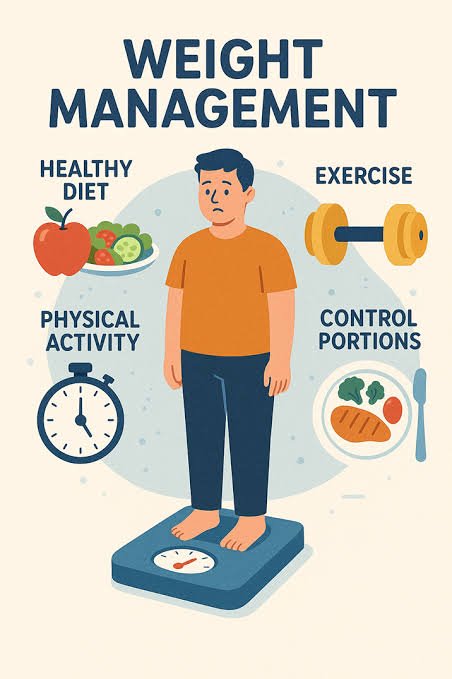
    A sustainable approach generally focuses on:

    • Eating balanced, nutritious meals
    • Staying physically active
    • Getting adequate sleep
    • Managing stress
    • Building consistent daily habits

    Instead of looking for a temporary diet, focus on creating a healthier lifestyle that you can continue long-term.

    1. Focus on a Balanced Diet

    Food plays an important role in weight management. Rather than completely eliminating carbohydrates or skipping meals, aim for balanced portions.

    Include foods such as:

    • Vegetables and fruits
    • Whole grains
    • Beans and lentils
    • Eggs, dairy, fish, or other protein sources
    • Nuts and seeds
    • Healthy sources of fats

    Try to limit highly processed foods, sugary drinks, and frequent high-calorie snacks.

    2. Increase Your Protein Intake

    Protein can help you feel satisfied after meals and is important for maintaining muscle while losing weight.

    Good protein sources include eggs, pulses, beans, paneer, yogurt, fish, chicken, tofu, and other protein-rich foods.

    Adding a protein source to each main meal can make your diet more filling and balanced.

    3. Stay Physically Active

    Exercise can support weight management and improve cardiovascular fitness, strength, and overall well-being.

    You do not necessarily need an expensive gym membership. Activities such as:

    • Walking
    • Cycling
    • Swimming
    • Strength training
    • Yoga
    • Jogging
    • Home workouts

    can all contribute to an active lifestyle.

    Start with an activity you enjoy. Consistency is more important than doing an intense workout for a few days and then stopping.

    4. Drink Enough Water

    Sometimes thirst can be mistaken for hunger. Staying hydrated throughout the day can support normal body functions and may make it easier to manage unnecessary snacking.

    Water should generally be your main beverage. Your individual fluid needs can vary depending on factors such as climate, activity level, and health.

    5. Get Quality Sleep

    Sleep is often overlooked when people try to lose weight. Poor or insufficient sleep can make healthy eating and regular exercise more difficult.

    Aim for a consistent sleep schedule and create a relaxing bedtime routine. Reducing screen time before bed and keeping your sleeping environment comfortable may also help.

    6. Manage Stress

    Stress can influence eating habits and make it harder to maintain healthy routines.

    Simple stress-management activities such as meditation, breathing exercises, walking outdoors, yoga, hobbies, or spending time with friends and family can be helpful.

    Remember that weight loss is not only about food and exercise—it is also about your overall lifestyle.

    7. Set Realistic Goals

    One of the biggest mistakes people make is expecting dramatic results immediately.

    Instead of focusing only on the number on the weighing scale, track other improvements such as:

    • Better energy levels
    • Improved fitness
    • Better eating habits
    • Increased strength
    • Improved sleep
    • More confidence

    Small improvements made consistently can lead to meaningful long-term changes.

    Common Weight Loss Mistakes to Avoid


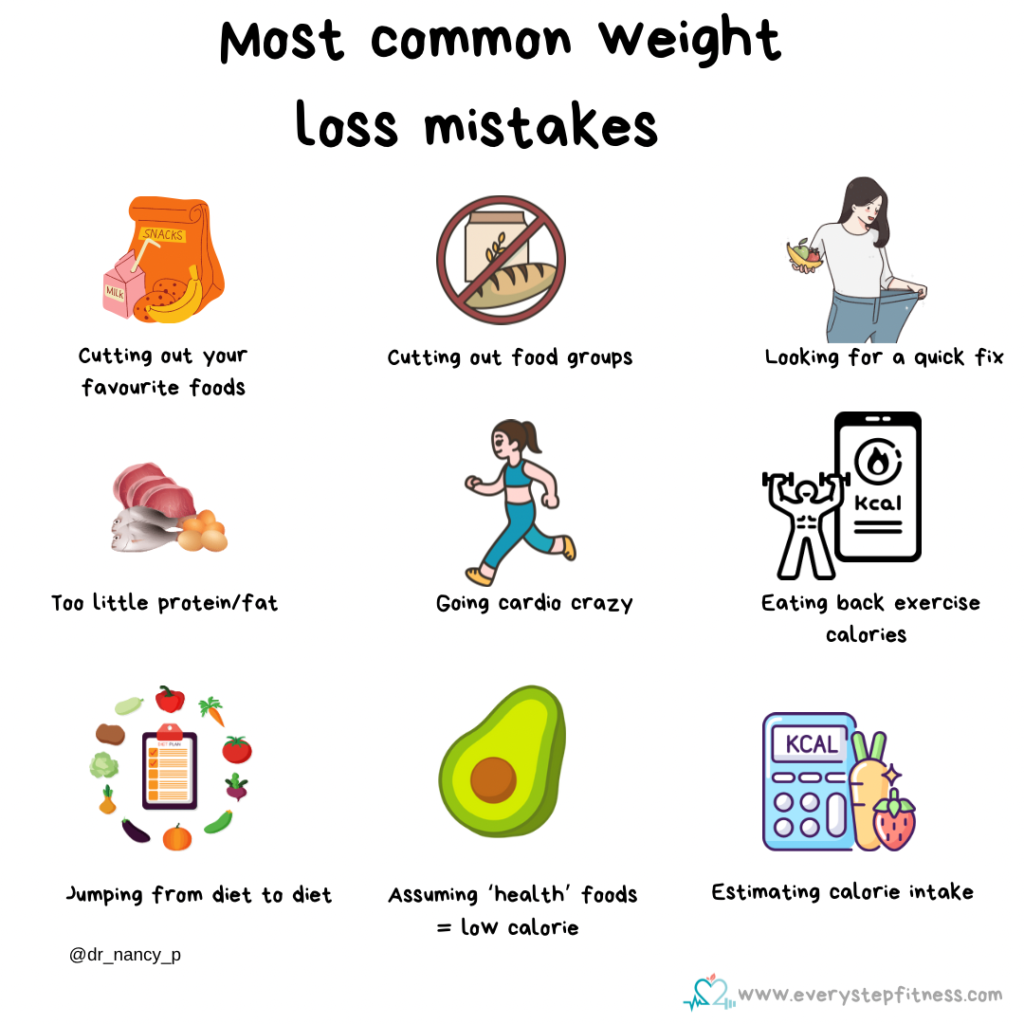
    Be cautious of extreme approaches such as crash diets, prolonged fasting without appropriate guidance, unverified weight-loss supplements, or promises of rapid weight loss without lifestyle changes.

    Skipping meals or severely restricting food may be difficult to maintain and can make it harder to meet your nutritional needs.

    A personalized approach from a qualified healthcare or nutrition professional may be appropriate, particularly if you have a medical condition, take medications, are pregnant, or have a history of disordered eating.

    The Bottom Line

    Successful weight loss is not about finding the fastest diet—it is about building healthier habits that last.

    Eat nutritious foods, stay active, sleep well, manage stress, and give yourself time. There is no single weight-loss plan that works perfectly for everyone, so focus on an approach that is realistic and sustainable for you.

    If you are starting your weight-loss journey, remember: small steps, consistency, and patience can make a big difference.

    Disclaimer: This article is for general educational purposes and is not a substitute for personalized medical or nutritional advice.

  • Naturopathy

    Naturopathy: A Natural Approach to a Healthier Lifestyle

    In today’s fast-paced world, many people are looking for healthier and more natural ways to take care of their bodies and minds. Naturopathy is a holistic approach to wellness that focuses on supporting the body’s natural ability to maintain balance and well-being through healthy lifestyle practices.

    What Is Naturopathy?

    Naturopathy is a system of wellness that emphasizes natural approaches such as nutritious food, physical activity, adequate rest, stress management, and healthy daily habits. Instead of focusing only on symptoms, naturopathy takes a broader view of a person’s overall lifestyle and well-being.

    Common naturopathic practices may include nutrition guidance, yoga, breathing exercises, meditation, hydrotherapy, massage, and lifestyle counseling.

    Key Principles of Naturopathy

    1. Focus on Natural Living

    Naturopathy encourages people to develop healthy habits using natural and sustainable approaches. Eating nutritious foods, staying physically active, spending time outdoors, and maintaining a regular sleep schedule can all contribute to overall wellness.

    2. Healthy Nutrition

    Woman eating fresh rainbow colored salad. Multicolored fruits and vegetables background. Healthy eating and dieting concept. High resolution 42Mp studio digital capture taken with SONY A7rII and Zeiss Batis 40mm F2.0 CF lens

    Food plays an important role in maintaining good health. A balanced diet containing vegetables, fruits, whole grains, pulses, nuts, seeds, and adequate protein can provide essential nutrients needed by the body.

    3. Physical Activity

    Regular movement is an important part of a healthy lifestyle. Activities such as walking, yoga, stretching, and other forms of exercise can support physical fitness and overall well-being.

    4. Stress Management

    Long-term stress can negatively affect quality of life. Naturopathy often incorporates relaxation techniques such as meditation, deep breathing, mindfulness, and yoga to encourage a calmer lifestyle.

    5. Rest and Sleep

    Good-quality sleep gives the body and mind time to recover. Maintaining a consistent sleep routine and creating a relaxing bedtime environment can support healthy sleep habits.

    Benefits of a Healthy Naturopathic Lifestyle

    A lifestyle inspired by naturopathic principles may help people develop healthier everyday habits. Potential benefits include:

    • Better awareness of nutrition and lifestyle choices
    • Improved physical fitness
    • Better stress management
    • Support for healthy sleep routines
    • Greater focus on preventive wellness
    • A stronger connection between physical and mental well-being

    However, naturopathy should complement—not replace—appropriate medical care. People with medical conditions should consult a qualified healthcare professional before changing treatment or using specific naturopathic therapies.

    Naturopathy and Modern Lifestyle

    Naturopathy can be especially relevant in modern life, where sedentary routines, processed foods, irregular sleep, and high stress are common. Simple changes—such as eating more whole foods, walking regularly, practicing relaxation techniques, and maintaining a consistent sleep schedule—can help create a healthier daily routine.

    The goal does not have to be perfection. Small, consistent lifestyle changes can make a meaningful difference over time.

    Conclusion

    Naturopathy offers a holistic perspective on wellness by encouraging healthy nutrition, regular movement, adequate rest, stress management, and mindful living. By incorporating practical healthy habits into everyday life, people can work toward better overall well-being.

    A natural approach to wellness is not about following complicated routines. It is about understanding your body, making informed choices, and building sustainable habits that support a healthier lifestyle.

  • Nutritionist

    In today’s busy lifestyle, maintaining a healthy and balanced diet can be challenging. With so much information available about diets, supplements, weight loss, and healthy foods, it can be difficult to know what is actually right for you. This is where a nutritionist can make a difference.

    What Is a Nutritionist?

    A nutritionist is a professional who provides guidance about food, nutrition, and healthy eating habits. They help people understand their nutritional needs and make better food choices based on their lifestyle, goals, and individual requirements.

    Instead of following random diet trends, working with a nutrition professional can help you develop practical and sustainable eating habits.

    Why Is Nutrition Important?

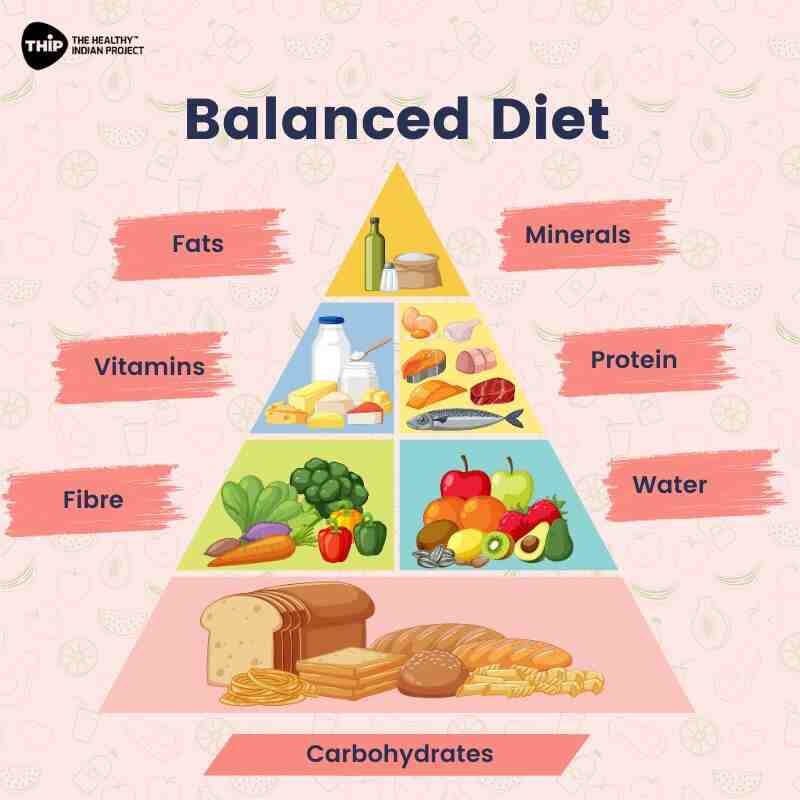
    Nutrition plays an important role in overall health and well-being. A balanced diet provides the body with essential nutrients such as:

    • Protein for growth and muscle maintenance
    • Carbohydrates for energy
    • Healthy fats for important body functions
    • Vitamins and minerals for overall health
    • Fiber for healthy digestion
    • Water for hydration

    A nutritious diet can also support energy levels, concentration, physical performance, and general well-being.

    How Can a Nutritionist Help You?

    A nutritionist can help you create healthier eating habits according to your individual goals. Some common areas where nutrition guidance may be useful include:

    1. Weight Management

    Whether your goal is to lose, gain, or maintain weight, a nutritionist can help you understand appropriate food choices and portion sizes.

    2. Better Eating Habits

    A nutritionist can help you replace unhealthy eating patterns with realistic habits that you can maintain for the long term.

    3. Personalized Nutrition

    Everyone has different nutritional needs. A nutrition professional can consider factors such as lifestyle, activity level, food preferences, and personal goals when providing guidance.

    4. Improved Energy

    The right combination of nutritious foods can help support your daily energy needs and keep you active throughout the day.

    5. Healthy Lifestyle Planning

    Nutrition is only one part of a healthy lifestyle. A nutritionist may also encourage habits such as regular physical activity, adequate hydration, proper sleep, and mindful eating.

    What Does a Balanced Diet Look Like?

    A balanced diet generally includes a variety of foods from different food groups. Fruits, vegetables, whole grains, pulses, dairy or suitable alternatives, nuts, seeds, and protein-rich foods can all contribute to a nutritious eating pattern.

    The goal is not to completely avoid your favorite foods. Instead, it is about creating balance, variety, and moderation.

    Nutritionist vs. Online Diet Trends

    Social media is full of quick-fix diets and dramatic transformation stories. However, a diet that works for one person may not be suitable for another.

    Before making major changes to your diet, it is better to consider reliable nutritional guidance rather than following every trending diet online.

    Final Thoughts

    Good nutrition is not about eating perfectly. It is about building healthy habits that fit your lifestyle and can be maintained over time.

    A nutritionist can help you understand your nutritional needs, make informed food choices, and work toward realistic health and wellness goals. Small, consistent changes in your daily diet can become powerful steps toward a healthier lifestyle.

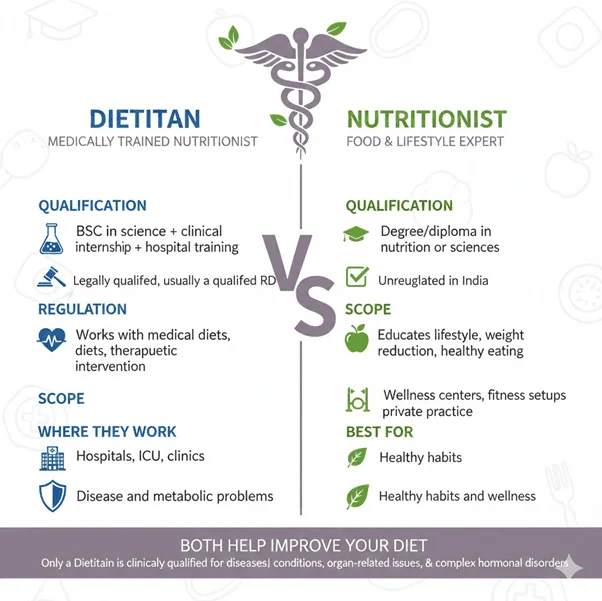
    Note: Nutrition needs vary from person to person. For medical conditions or therapeutic diets, consult a qualified healthcare professional or registered dietitian/nutrition professional.

  • Yoga: A Simple Path to a Healthier Mind and Body

    Yoga is more than just a form of exercise—it is a practice that connects the body, mind, and breath. Originating in ancient India, yoga has become popular around the world because of its simple yet powerful approach to physical and mental well-being.

    What Is Yoga?

    Yoga is a combination of physical postures (asanas), breathing techniques (pranayama), relaxation, and meditation. Regular practice can help people develop greater flexibility, strength, balance, body awareness, and a calmer mind.

    The best thing about yoga is that it can be adapted to different fitness levels. Whether you are a beginner, a working professional, or an older adult, there are yoga practices suitable for you.

    Benefits of Practicing Yoga

    1. Improves Flexibility

    Yoga involves stretching and controlled movements that can gradually improve flexibility and mobility.

    2. Builds Strength

    Many yoga poses require you to support and control your body weight, helping strengthen your muscles.

    3. Reduces Stress

    Slow movements, mindful breathing, and meditation can encourage relaxation and help you manage everyday stress.

    4. Supports Better Posture

    Practicing yoga can improve body awareness and help you develop better posture and movement habits.

    5. Improves Balance

    Balance-focused poses can help improve stability, coordination, and body control.

    6. Encourages Mindfulness

    Yoga teaches you to pay attention to your breathing and movements, helping you stay more present in the moment.

    Easy Yoga Poses for Beginners

    If you are new to yoga, you can start with simple poses such as:

    • Mountain Pose (Tadasana) – Helps improve posture and body awareness.
    • Child’s Pose (Balasana) – A gentle resting and stretching pose.
    • Cat-Cow Pose (Marjaryasana-Bitilasana) – Encourages gentle movement of the spine.
    • Tree Pose (Vrikshasana) – Helps develop balance and concentration.
    • Cobra Pose (Bhujangasana) – Provides a gentle back-opening movement.

    Start slowly and focus on comfortable, controlled movements rather than trying to achieve perfect poses.


    How to Make Yoga a Daily Habit

    You don’t need hours of practice to begin. Even 10–20 minutes a day can be a good starting point.

    Choose a quiet space, wear comfortable clothing, and practice at a time that fits naturally into your routine. Consistency is more important than intensity.

    Remember to listen to your body. If a pose causes pain, stop and seek guidance from a qualified yoga instructor or healthcare professional when appropriate.

    Conclusion

    Yoga is a simple and accessible practice that can become a valuable part of a healthy lifestyle. With regular practice, it can support physical fitness, relaxation, flexibility, balance, and mindfulness.

    Start small, breathe deeply, stay consistent—and let yoga become a part of your journey toward a healthier and more balanced life.


    Disclaimer: Yoga can support general wellness, but it is not a substitute for medical care or treatment.

  • Wellness Hub: Your Journey to a Healthier, Happier Life

    In today’s fast-paced world, taking care of our health often becomes a second priority. Busy schedules, work pressure, unhealthy eating habits, lack of exercise, and constant screen time can affect both our physical and mental well-being.

    At Wellness Hub, we believe that wellness is not just about avoiding illness—it is about creating a healthier lifestyle that helps you feel stronger, happier, and more energetic every day.

    What Does Wellness Really Mean?

    Wellness is a balanced approach to life. It includes taking care of your body, managing your mind, eating nutritious food, staying physically active, getting enough rest, and maintaining positive relationships.

    True wellness is not about making drastic changes overnight. It is about building small, healthy habits that you can follow consistently.

    5 Simple Ways to Improve Your Wellness

    1. Stay Physically Active

    Regular physical activity can help improve your fitness, energy levels, and overall quality of life. You don’t always need an intense workout. Walking, stretching, yoga, cycling, or simple home exercises can be a great place to start.

    Remember: consistency matters more than intensity.

    2. Eat Better, Not Just Less

    A healthy diet provides your body with the nutrients it needs to function properly. Try adding more fruits, vegetables, whole grains, proteins, and adequate water to your daily routine.

    Instead of focusing only on what you should avoid, focus on adding nutritious foods to your meals.

    3. Take Care of Your Mind

    Mental wellness is just as important as physical fitness. Give yourself time to relax, disconnect from screens, practice mindfulness, spend time in nature, or simply enjoy activities that make you happy.

    A healthy mind helps you handle everyday challenges with greater confidence.

    4. Prioritize Quality Sleep

    Sleep is an essential part of a healthy lifestyle. Poor sleep can leave you feeling tired and less productive throughout the day.

    Creating a consistent sleep routine, reducing screen time before bed, and keeping your sleeping environment comfortable can help support better rest.

    5. Make Wellness a Lifestyle

    The biggest mistake people make is treating wellness as a short-term challenge.

    Real wellness comes from sustainable habits.

    You don’t need to completely change your life in one day. Start with one small habit—take a daily walk, drink more water, eat a healthier meal, or spend a few minutes relaxing.

    Small steps can create meaningful long-term changes.

    Your Health Is Your Greatest Investment

    We often invest time and money in our careers, businesses, and possessions, but our health deserves the same attention.

    When you take care of your body and mind, you create a stronger foundation for everything else in your life.

    Wellness isn’t a destination. It’s a journey.

    Start where you are. Take one small step today. Stay consistent, listen to your body, and build a lifestyle that helps you become the healthiest version of yourself.

    Wellness Hub — Because Your Well-Being Matters

    Your journey toward better health doesn’t have to be complicated. With the right knowledge, habits, and consistency, you can make wellness a natural part of your everyday life.

    Start small. Stay consistent. Live well.