Weight Loss: A Healthy and Sustainable Guide to Losing Weight
Losing weight is not just about looking slimmer—it is about improving your overall health, energy, confidence, and quality of life. With so much information available about diets, workouts, and quick-fix solutions, it can be difficult to know what actually works.
The good news is that healthy weight loss does not require extreme dieting or exhausting workouts. Sustainable results usually come from simple habits that you can maintain over time.
What Is Healthy Weight Loss?
Healthy weight loss means gradually reducing excess body weight while providing your body with the nutrients, rest, and activity it needs.
A sustainable approach generally focuses on:
- Eating balanced, nutritious meals
- Staying physically active
- Getting adequate sleep
- Managing stress
- Building consistent daily habits
Instead of looking for a temporary diet, focus on creating a healthier lifestyle that you can continue long-term.
1. Focus on a Balanced Diet
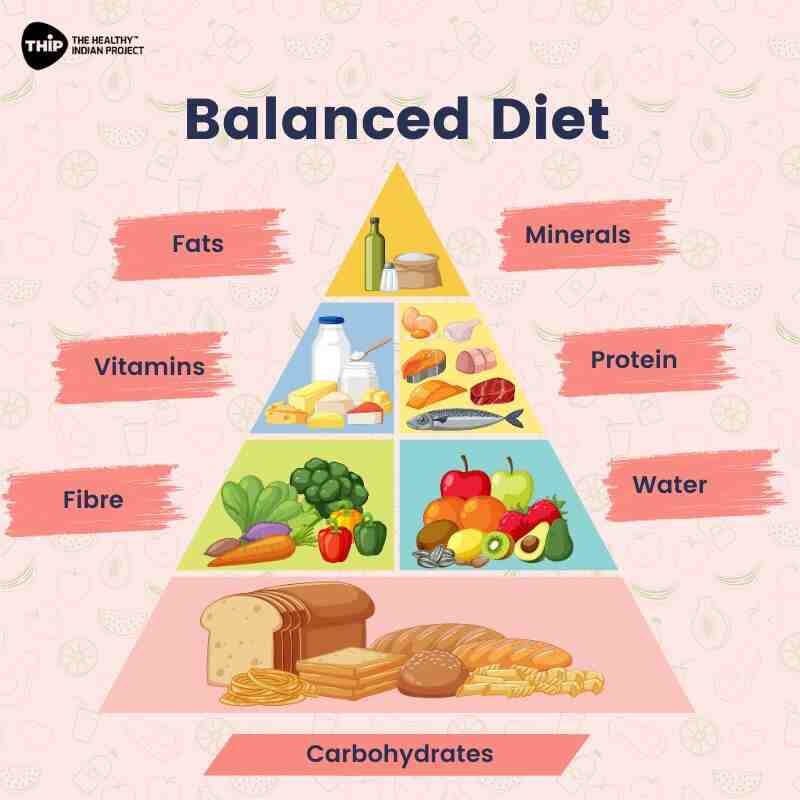
Food plays an important role in weight management. Rather than completely eliminating carbohydrates or skipping meals, aim for balanced portions.
Include foods such as:
- Vegetables and fruits
- Whole grains
- Beans and lentils
- Eggs, dairy, fish, or other protein sources
- Nuts and seeds
- Healthy sources of fats
Try to limit highly processed foods, sugary drinks, and frequent high-calorie snacks.
2. Increase Your Protein Intake
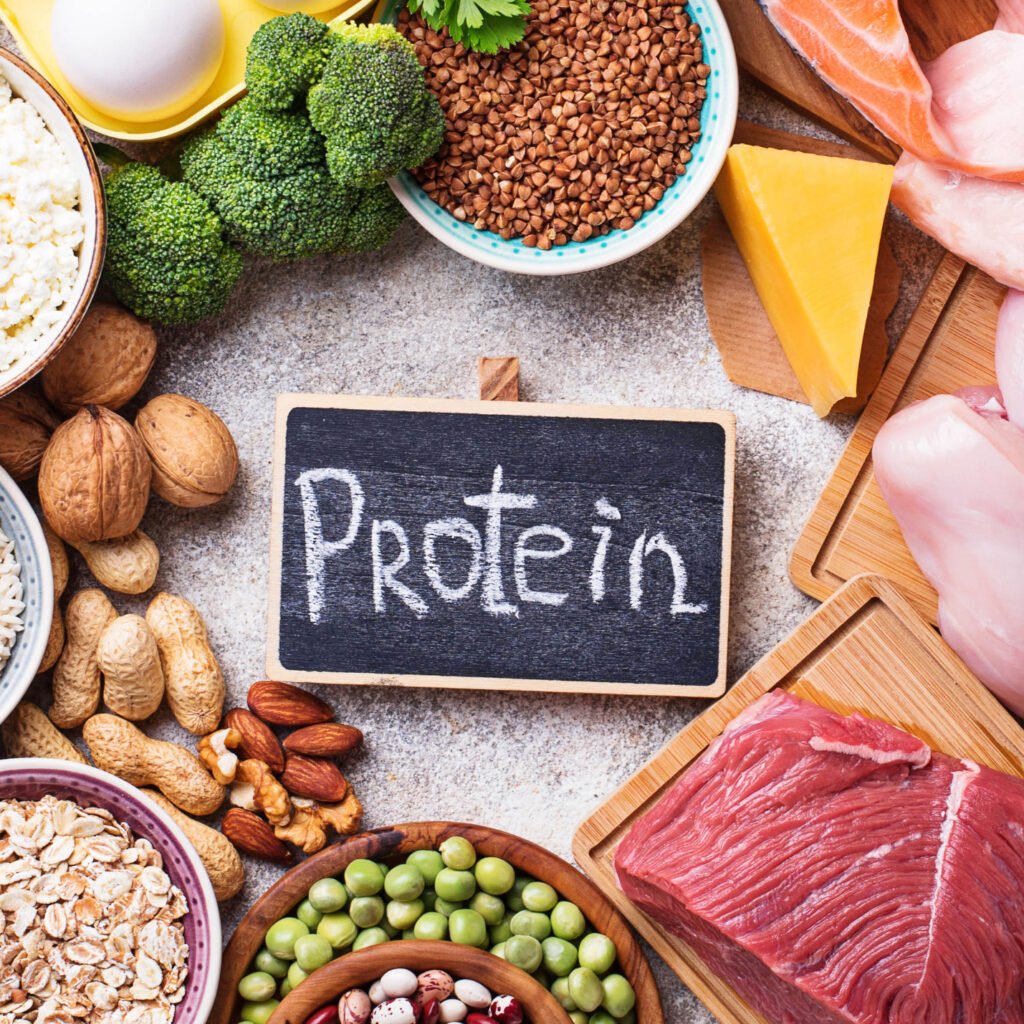
Protein can help you feel satisfied after meals and is important for maintaining muscle while losing weight.
Good protein sources include eggs, pulses, beans, paneer, yogurt, fish, chicken, tofu, and other protein-rich foods.
Adding a protein source to each main meal can make your diet more filling and balanced.
3. Stay Physically Active

Exercise can support weight management and improve cardiovascular fitness, strength, and overall well-being.
You do not necessarily need an expensive gym membership. Activities such as:
- Walking
- Cycling
- Swimming
- Strength training
- Yoga
- Jogging
- Home workouts
can all contribute to an active lifestyle.
Start with an activity you enjoy. Consistency is more important than doing an intense workout for a few days and then stopping.
4. Drink Enough Water

Sometimes thirst can be mistaken for hunger. Staying hydrated throughout the day can support normal body functions and may make it easier to manage unnecessary snacking.
Water should generally be your main beverage. Your individual fluid needs can vary depending on factors such as climate, activity level, and health.
5. Get Quality Sleep

Sleep is often overlooked when people try to lose weight. Poor or insufficient sleep can make healthy eating and regular exercise more difficult.
Aim for a consistent sleep schedule and create a relaxing bedtime routine. Reducing screen time before bed and keeping your sleeping environment comfortable may also help.
6. Manage Stress
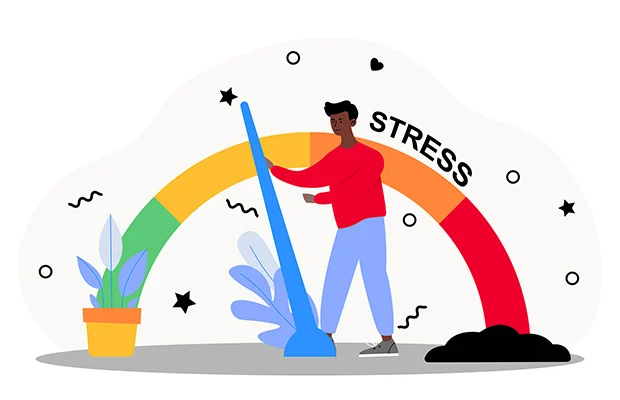
Stress can influence eating habits and make it harder to maintain healthy routines.
Simple stress-management activities such as meditation, breathing exercises, walking outdoors, yoga, hobbies, or spending time with friends and family can be helpful.
Remember that weight loss is not only about food and exercise—it is also about your overall lifestyle.
7. Set Realistic Goals
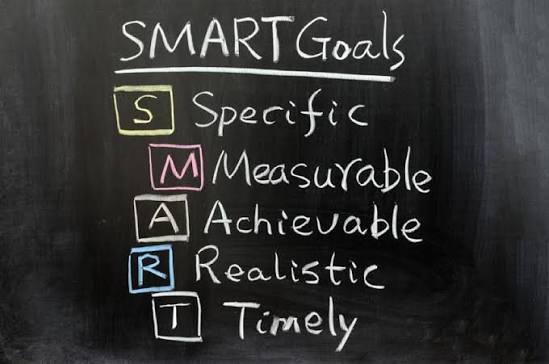
One of the biggest mistakes people make is expecting dramatic results immediately.
Instead of focusing only on the number on the weighing scale, track other improvements such as:
- Better energy levels
- Improved fitness
- Better eating habits
- Increased strength
- Improved sleep
- More confidence
Small improvements made consistently can lead to meaningful long-term changes.
Common Weight Loss Mistakes to Avoid
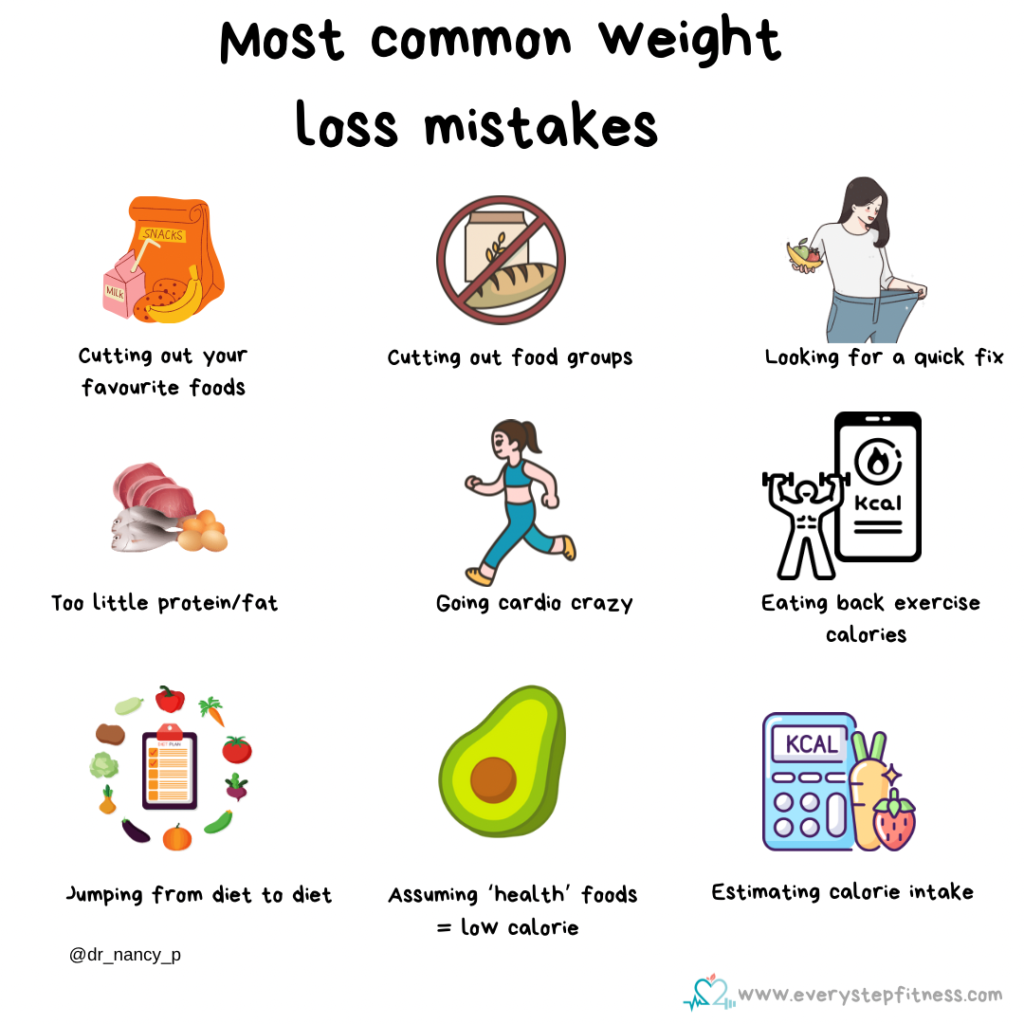
Be cautious of extreme approaches such as crash diets, prolonged fasting without appropriate guidance, unverified weight-loss supplements, or promises of rapid weight loss without lifestyle changes.
Skipping meals or severely restricting food may be difficult to maintain and can make it harder to meet your nutritional needs.
A personalized approach from a qualified healthcare or nutrition professional may be appropriate, particularly if you have a medical condition, take medications, are pregnant, or have a history of disordered eating.
The Bottom Line
Successful weight loss is not about finding the fastest diet—it is about building healthier habits that last.
Eat nutritious foods, stay active, sleep well, manage stress, and give yourself time. There is no single weight-loss plan that works perfectly for everyone, so focus on an approach that is realistic and sustainable for you.
If you are starting your weight-loss journey, remember: small steps, consistency, and patience can make a big difference.
Disclaimer: This article is for general educational purposes and is not a substitute for personalized medical or nutritional advice.
Leave a Reply